PAT testing can be undertaken by someone competent for the equipment and tests involved; the person does not automatically have to be an electrician. Competence means suitable knowledge, training and experience, appropriate instruments and the ability to interpret results. Choosing a provider involves more than checking whether they own a tester or issue labels.
PAT testing competence depends on the task
A person undertaking combined inspection and testing must recognise equipment construction, select suitable checks and understand unreliable results. They should know when testing must stop to avoid danger or damage. An automatic pass indication cannot replace judgement.
HSE distinguishes the greater knowledge needed for combined testing from that needed for visual inspection. Ask how the provider handles unfamiliar equipment, inaccessible items and unexpected results. A clear process is more valuable than a promise to test unusually large numbers of appliances very quickly.
Match training to the equipment
Relevant training and practical assessment support competence, but scope matters. Experience with office appliances does not automatically prepare someone for specialist machinery or medical devices. Recognising when to refer work is part of working competently.
There is no universal government-issued PAT licence establishing competence for every appliance. Ask what training covered and what equipment the person routinely tests. A course attendance certificate does not establish competence to repair appliances, alter wiring or perform unrelated installation work.

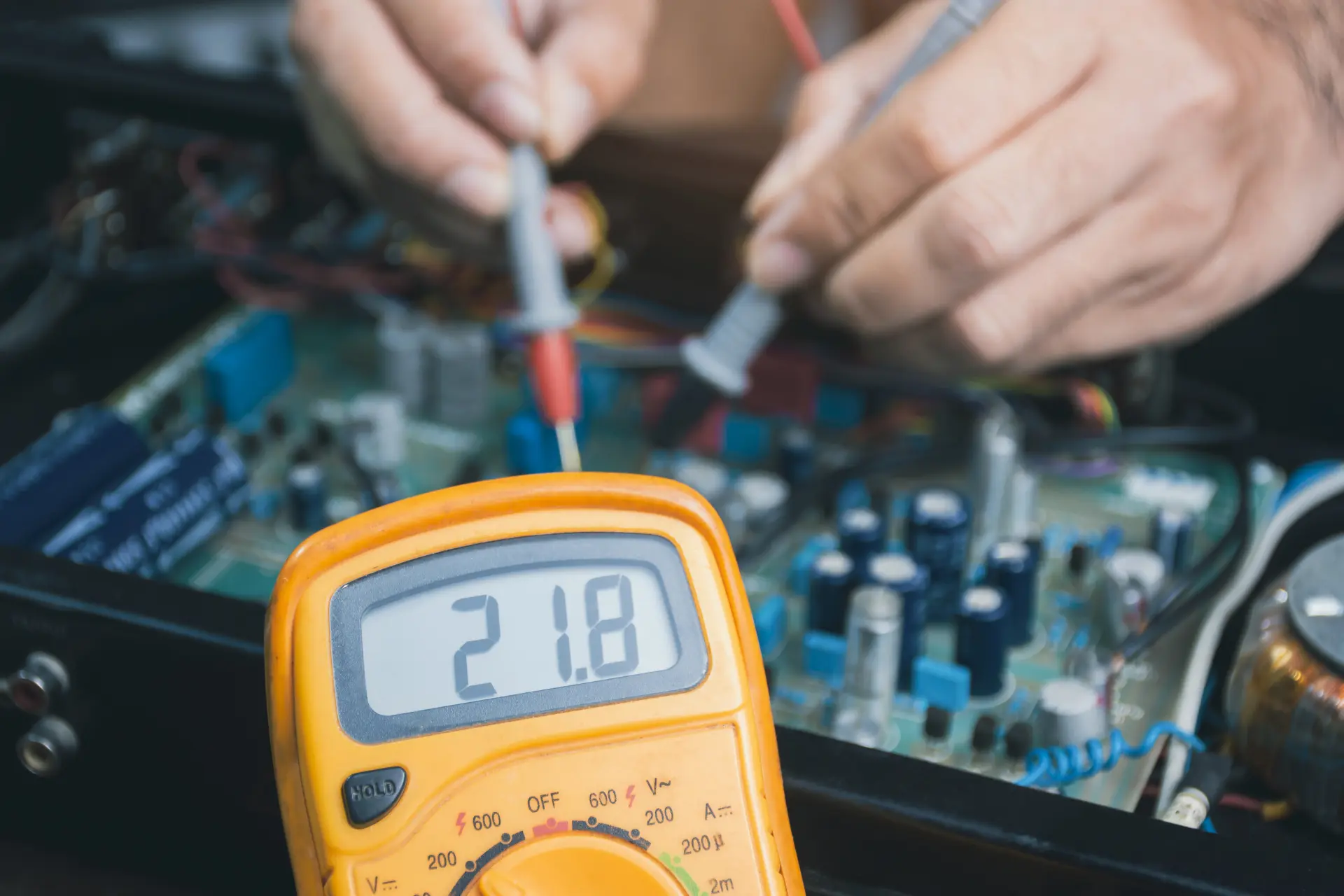
Illustrative image from the existing site library; gloved hand holding a red electrical meter.
Can an employee do the checks?
An employer can use a suitably competent employee for appropriate inspection and testing. This needs procedures, suitable instruments, sufficient time and an escalation route. The employee must be able to remove unsafe equipment without pressure to pass it.
One practical arrangement trains staff for everyday checks while outsourcing specialist testing. Make the division clear. Someone taught to recognise damaged plugs should not be expected to open equipment or interpret unfamiliar measurements. Management still needs to ensure the overall maintenance system is suitable.
Ask about instruments and reporting
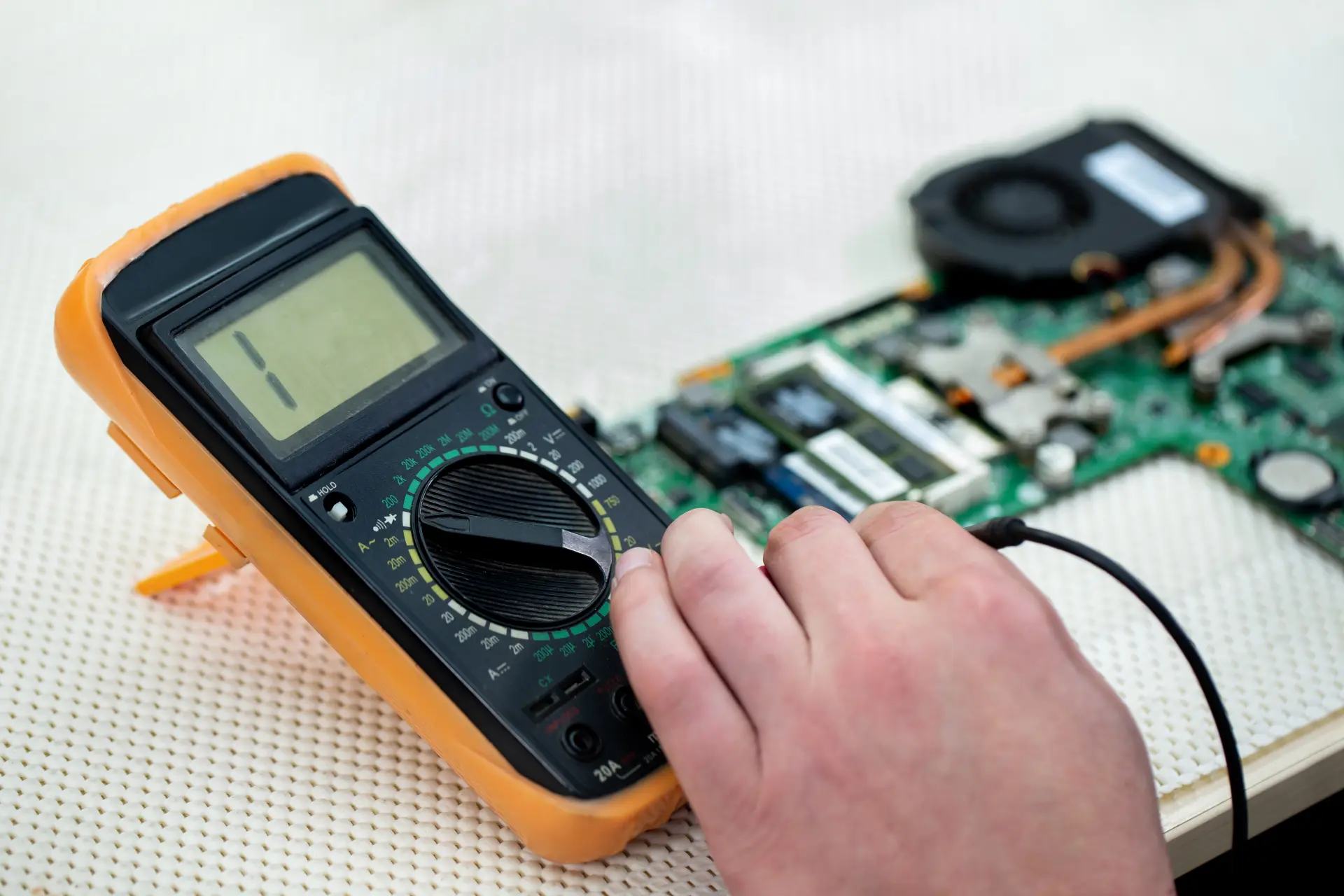
Check how the tester establishes that their instrument is suitable and functioning correctly. Calibration or verification records, maintained according to the instrument’s requirements, support confidence in measurements. Appropriate settings still depend on the operator’s judgement.
A report should identify each item, checks, relevant results and limitations. If a hypothetical register has 120 items but only 114 were accessible, the other six need an explicit status. These numbers illustrate a reporting check, not a company case study or a national failure statistic.
Check any additional legal requirements
Appliance-testing competence does not establish competence to inspect fixed wiring or replace a consumer unit. Repairs and installation work need their own skills and safe working arrangements. Describe the equipment and premises when booking.
For social housing, current government guidance requires qualified-person checks of landlord-supplied equipment at least every five years, or earlier where required. That statutory interval is not a universal PAT certificate expiry date. Confirm that the provider and record meet the particular duty being commissioned rather than simply requesting an unspecified certificate.
Specialist hazards can extend beyond a PAT result
OPSS’s report updated on 30 September 2026 records 267 notified e-bike and e-scooter fires occurring in 2025. Reporting is voluntary, so these figures are not a complete national count or a measure of PAT effectiveness.
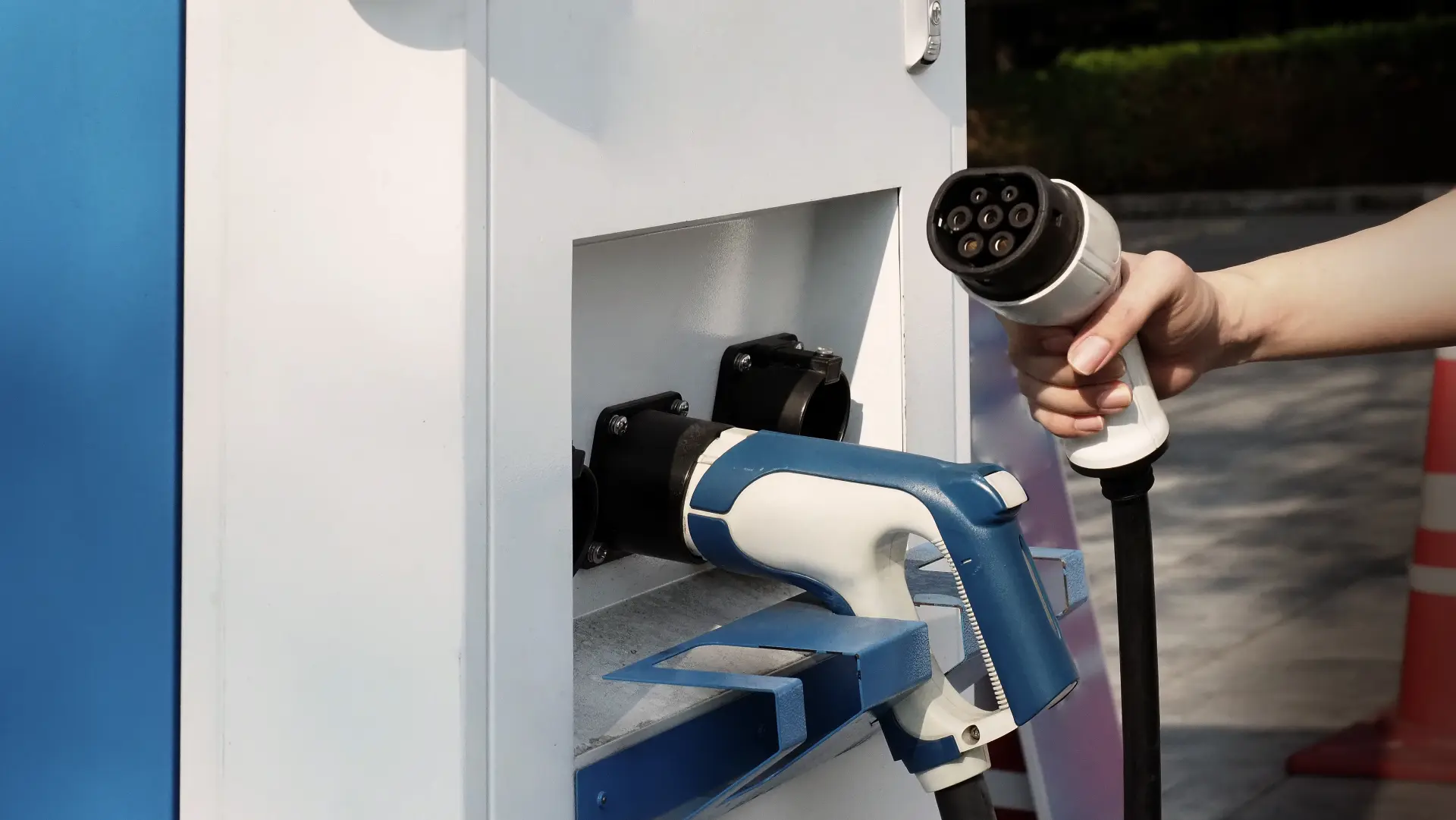
The distinction matters when commissioning tests of chargers and other equipment associated with batteries. A satisfactory mains-appliance result does not establish the condition of a traction battery or approve a modified battery system. Ask whether specialist assessment beyond the agreed appliance checks is needed.
Sources and further reading
Guidance checked on 22 October 2026. Data periods are stated in the text; illustrative calculations are not survey findings.
Summary
Choose a tester who can explain their competence, methods and reporting for your equipment. For an appliance-testing visit with clear records, review the service below before arranging access.